


I’m in the midst of a move and travel so this newsletter is a bit off the cuff. Bear with me 🙂
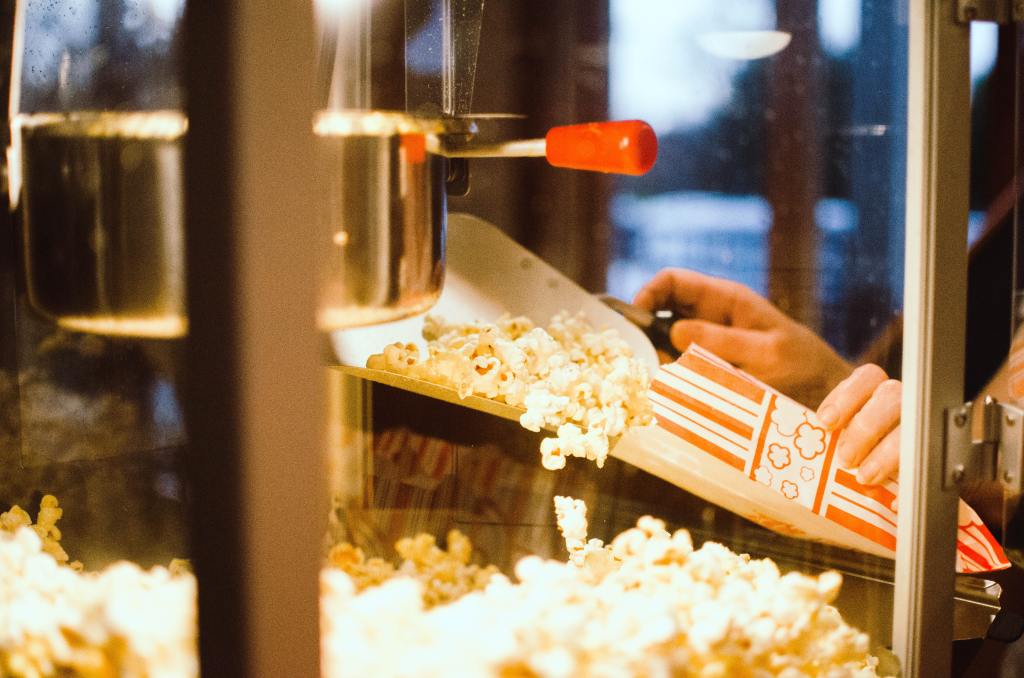
Taco Bell has been testing a subscription service: $10/month for 1 taco every day.
Set aside concerns for subscribers health and the egregious assault on tacos that is Taco Bell, the idea of Tacos-as-a-Service is kinda interesting.
Tacos-as-a-Service is further proof that recurring revenue models are no longer confined to the tech industry.Salesforce pioneered Software-as-a-Service (SaaS) by jumping on the cloud based software trend in its early days. Recurring revenue is now the preferred pricing model for software companies and their investors, but it’s a model that has spread to other types of business from hardware to….tacos.
Recurring revenue pricing models are awesome. They create more predictable revenue, which helps companies plan and scale more predictably than a business model built around one-off transactions. Subscription models mean decreased customer acquisition costs (CAC) which increases the value of that revenue from a company valuation standpoint. And subscription models are great for customers, as would be capital expenses get moved to the income statement. Anything-as-a-Service models also allow for more flexibility from a customer standpoint.
We’ve talked before about how recurring revenue is no longer just for software companies, as all sorts of companies look to build a subscription offering.
But the greatest cautionary tale for the risks of subscription models is now clawing its way out of the (business) graveyard so it’s worth talking about.
Exhibit A: MoviePass
Ever heard of MoviePass? The company started in 2011, in theory to help movie theaters fill otherwise unused seats. This was about the same time Uber, Lyft, and Airbnb were also starting with similar concepts in different categories, all designed to match up unused capacity with additional demand.
MoviePass was a subscription model for moviegoers. Instead of paying $15 each time you want to see a movie, you paid <$20 per month and could see unlimited movies per month. In the years right before the company filed bankruptcy (shocker), the price was ~$7 per month.
As a broke business school student, this was awesome. But of course, it was less awesome for shareholders in MoviePass as it turned out that the model wasn’t sustainable.
The company was subsidizing its customers as MoviePass still had to pay the theater full price for any seat taken by a MoviePass customer. And it turned out that while some customers only went to 1 or 2 movies per month, some customers went to a lot of movies which destroyed the profitability of MoviePass.
After filing bankruptcy, it seemed MoviePass had died until I recently got a message from beyond the grave, an email to previous MoviePass subscribers about the relaunch of the company.
Lets state the obvious: the underlying economics of a subscription offering has to be sustainable.
Duh.
The founder of MoviePass re-acquired the company in bankruptcy court and she is relaunching with a modified business model designed to more specifically match un-utilized capacity in movie theaters to movie goers’ demand, e.g. fill more seats during the less popular show times, and with other parameters around the subscription to maintain profitability.
The MoviePass wikipedia page reads like a horror story of venture-subsidized market growth that never found its own footing.
But with movie theaters struggling in a post-COVID world, maybe a precision version of the MoviePass model will work?
Weird story, valid lesson: building out profitable subscription models isn’t as easy as it looks.
Now let’s talk about a subscription business that should exist but doesn’t…yet. (I have a list of businesses I’m gonna start when I’m tired of agtech and this is one of them.)
The background
I usually go to Jiffy Lube to get the oil changed in my car because it’s less bad than other options.
Jiffy Lube was basically the McDonald’s of oil change:
“In 1979, we created the first drive-through service bay to make oil changes quicker for our customers. We also introduced the first window sticker to help remind you when to get your next oil change. Jiffy Lube also developed a nationwide database, giving you the freedom to visit any Jiffy Lube location with the peace of mind that your service records will travel with you.”
But while Jiffy Lube may have brought some innovation to oil changes, the experience is still terrible.
The problem
Oil changes are inevitably terrible for 3 main reasons:
- The customer experience is trash.
- The waiting area is inevitably tiny and gross and smells like dirty old man sweat.
- Servicemen are either condescending to female customers, or they are shysters to female customers. Or both.
….which is why getting an oil change is one of those chores I put off doing, then hold my nose (almost literally) while doing it.
Oh and if this doesn’t resonate with you, ask your wife/daughter/female friends – chances are very high they get this.
The solution
IMO this market needs an alternative that is built around customer experience as the competitive advantage, where getting an oil change isn’t the worst part of oil change weekends.
The basic concept has two elements:
(1) An oil change franchise that tailors the customer experience to women.
Practically speaking that means:
- Clean waiting area.
- Clean play area for kids.
- Drinkable coffee.
- Clean restrooms (don’t think a billion-dollar business can be built around clean restrooms? I refer you to Buc-ee’s as exhibit A, but more on that another time.)
- Actual customer service. Look I’m not even saying you need Chick-Fil-A level customer service (though what customer doesn’t want that) but the bar is low: no condescending service dudes doing either of the things women know to expect when rolling into any kind of car place, either (1) mansplaining things like the fact that the oil needs changing (yeah I know bro), or (2) unnecessarily upselling additional services.
I’m not saying that getting an oil change has to be as luxurious as a spa day, but I believe there is a not small market of American humans willing to pay for a significantly less bad customer experience than current options in the market.
(2) In a world that values recurring revenue above all other revenue, routine oil changes seem like a business that is ripe for a subscription model. Structurally, we’re talking about a service that is needed on a recurring basis at relatively predictable intervals, making it a textbook example of a product wanting to be subscription-based.
Oil change franchises and movie tickets may not be directly relevant for innovators in livestock, meat and dairy but there are 2 relevant concepts here:
(1) There are still shockingly large underserved ‘niches’ in most markets.
Whether it’s female car owners or Hispanic shoppers in the US, as the pork industry has realized is a significantly underserved market and has taken great strides towards product innovation tailored to that specific segment, there are huge ‘niche’ markets that remain underserved…aka remain an opportunity.
(2) Recurring revenue models can build customer loyalty and increase lifetime customer value….but only if they’re sustainable.
Technology offerings are where subscriptions largely are found today selling into producers and processors, or on the other end of the value chain, D2C meat subscriptions. I don’t know how production or processing could operate a B2B recurring revenue model for a physical product in a way that doesn’t end up like version 1 of MoviePass with unsustainable underlying economics. Can subscription pricing models work at an enterprise level for non-software products? I have to think someone will figure that out eventually.